show 1 to 20 (of 60 software programs)
SALES ASSISTANT (MR.KNOW)
 Thanks to the SALES ASSISTANT (MR.KNOW), you can optimize your sales processes so that a wide variety of interfaces can be used and central data access is possible at the same time. This allows you to target goals faster and more efficiently and systematically carry out up-to-date weak-point analyses.
Your digital sales assistant
Thanks to the SALES ASSISTANT (MR.KNOW), you can optimize your sales processes so that a wide variety of interfaces can be used and central data access is possible at the same time. This allows you to target goals faster and more efficiently and systematically carry out up-to-date weak-point analyses.
LEEGOO BUILDER
 The end-to-end CPQ solution LEEGOO BUILDER was developed for the simple and efficient creation of quotations with a special focus on the requirements of machine, special machine and plant construction and supports these with powerful functions such as configuration, pricing or the generation of quotation documents. The software can be flexibly and comprehensively adapted to your requirements.
CPQ system with calculation, product configuration and document output
The end-to-end CPQ solution LEEGOO BUILDER was developed for the simple and efficient creation of quotations with a special focus on the requirements of machine, special machine and plant construction and supports these with powerful functions such as configuration, pricing or the generation of quotation documents. The software can be flexibly and comprehensively adapted to your requirements.
NeoCPQ
 Our quotation configurator NeoCPQ is a web-based software solution that enables simple, fast quotation creation in any language. The software solution includes a central database. It is modular and can be connected to sales information systems (customer data) and ERP system (order data).
The Solution for Product Configuration, Price Calculation and Quote Generation (CPQ)
Our quotation configurator NeoCPQ is a web-based software solution that enables simple, fast quotation creation in any language. The software solution includes a central database. It is modular and can be connected to sales information systems (customer data) and ERP system (order data).
SNS CRM - the Lotus Notes CRM
 SNS CRM - the Lotus Notes CRM is a powerful and versatile sales software specially developed for small and medium-sized companies. With SNS CRM you can manage your customer data, maintain contacts, plan tasks and much more.
SNS CRM is a flexible and powerful CRM software under Lotus Notes
SNS CRM - the Lotus Notes CRM is a powerful and versatile sales software specially developed for small and medium-sized companies. With SNS CRM you can manage your customer data, maintain contacts, plan tasks and much more.
ADRESS PLUS
 cobra Adress PLUS has proven itself particularly well for small and medium-sized companies. Sales success can be significantly increased through sophisticated address and contact management, target group-specific customer communication and optimized workflows. Numerous defaults and standards ensure rapid and cost-effective system implementation.
Customer management with a system - GDPR-compliant
cobra Adress PLUS has proven itself particularly well for small and medium-sized companies. Sales success can be significantly increased through sophisticated address and contact management, target group-specific customer communication and optimized workflows. Numerous defaults and standards ensure rapid and cost-effective system implementation.
Weilgut CRM Manager
Sales controlling
Weilgut Contact is a software solution for professional customer management, sales management and sales controlling to optimize project, key account, object and product sales.
TOPIX CRM
 TOPIX CRM is a professional CRM solution for sales and customer management processes. The sales software offers a variety of features for the efficient management of customer data, contacts, leads and tasks. TOPIX CRM enables users to organize their work more efficiently and save time.
Professional CRM for sales and customer management processes
TOPIX CRM is a professional CRM solution for sales and customer management processes. The sales software offers a variety of features for the efficient management of customer data, contacts, leads and tasks. TOPIX CRM enables users to organize their work more efficiently and save time.
celanio CRM Lead Management
 celanio CRM Leadmanagement is a comprehensive sales software with modules and features for the lead overview, task management, follow-up management as well as functions for creating call notes, rights management and category and template management.
Address management and sales management for small to medium-sized teams
celanio CRM Leadmanagement is a comprehensive sales software with modules and features for the lead overview, task management, follow-up management as well as functions for creating call notes, rights management and category and template management.
SmartWe
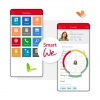 SmartWe helps you to store contacts, opportunities, activities and appointments securely and centrally in one place. With the deep integration of the opportunity in SmartWe, you can closely interlink your lead management with all other sales processes. As a team, you can quickly get an overview of which action was last performed, making it easier to coordinate follow-up actions in the pipeline.
Cloud-based customer relationship management / CRM
SmartWe helps you to store contacts, opportunities, activities and appointments securely and centrally in one place. With the deep integration of the opportunity in SmartWe, you can closely interlink your lead management with all other sales processes. As a team, you can quickly get an overview of which action was last performed, making it easier to coordinate follow-up actions in the pipeline.
vcEuroFaktura
 vcEuroFaktura includes all the functionalities that self-employed entrepreneurs, freelancers or craftsmen expect from an order processing software and that with a high level of usability. For more than 15 years, the software has been specially optimised for the requirements of invoicing from Germany. The structure of the software is divided into logical processes and is clearly structured.
Warenwirtschaft für Kleinunternehmer und Selbstständige
vcEuroFaktura includes all the functionalities that self-employed entrepreneurs, freelancers or craftsmen expect from an order processing software and that with a high level of usability. For more than 15 years, the software has been specially optimised for the requirements of invoicing from Germany. The structure of the software is divided into logical processes and is clearly structured.
audius:Energy for power engineering companies
 The audius:Energy solution offers energy technology providers end-to-end digitalized business processes for the sales, service, planning and installation of photovoltaic and solar systems, refining and expanding the standard processes of Microsoft Dynamics 365 specifically for the needs of these companies and combining sales, marketing, customer service and field service.
The business processes include profitability calculation and post-calculation, subsidy approvals and subcontractor management - requirements directly from the everyday life of companies in the solar and photovoltaic industry.
The audius:Energy solution offers energy technology providers end-to-end digitalized business processes for the sales, service, planning and installation of photovoltaic and solar systems, refining and expanding the standard processes of Microsoft Dynamics 365 specifically for the needs of these companies and combining sales, marketing, customer service and field service.
The business processes include profitability calculation and post-calculation, subsidy approvals and subcontractor management - requirements directly from the everyday life of companies in the solar and photovoltaic industry.
Industry solution for the sale, planning, and installation of power generation systems.
The audius:Energy solution offers energy technology providers end-to-end digitalized business processes for the sales, service, planning and installation of photovoltaic and solar systems, refining and expanding the standard processes of Microsoft Dynamics 365 specifically for the needs of these companies and combining sales, marketing, customer service and field service.
The business processes include profitability calculation and post-calculation, subsidy approvals and subcontractor management - requirements directly from the everyday life of companies in the solar and photovoltaic industry.
audius:CRM – the cross-functional standard software
 audius:CRM is a cross-functional standard software based on Microsoft Dynamics 365 Sales. Refined business processes for sales management and order processing make the sales team more efficient and offer a seamless user experience with consistent business processes, an interface-free database and a standardized user interface.
Cross-functional CRM software for more efficiency in business life.
audius:CRM is a cross-functional standard software based on Microsoft Dynamics 365 Sales. Refined business processes for sales management and order processing make the sales team more efficient and offer a seamless user experience with consistent business processes, an interface-free database and a standardized user interface.
onPartner
 With onPartner you don't need any other software for your business, because it is the only working level for all users equally. Your company, your sales partners and, if you wish, even your service providers can work within the software by means of appropriate user authorizations. This creates a uniform way of working and better communication. onPartner can completely map all processes relevant to your business and is, above all, 100% fully customizable to your needs!...
MLM Software for Network Marketing and Direct Sales
With onPartner you don't need any other software for your business, because it is the only working level for all users equally. Your company, your sales partners and, if you wish, even your service providers can work within the software by means of appropriate user authorizations. This creates a uniform way of working and better communication. onPartner can completely map all processes relevant to your business and is, above all, 100% fully customizable to your needs!...
CAS genesisWorld
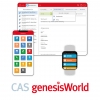 Use CAS genesisWorld to make all your sales processes transparent and efficient. Segment your customers, keep an eye on sales opportunities and don't lose any potential for success. For example, expand sales opportunities to include hierarchically mappable sales structures and methods, such as the definition of activities and milestones. Use reporting on the basis of the entire database.
The flexible, complete CRM system for all areas of your company
Use CAS genesisWorld to make all your sales processes transparent and efficient. Segment your customers, keep an eye on sales opportunities and don't lose any potential for success. For example, expand sales opportunities to include hierarchically mappable sales structures and methods, such as the definition of activities and milestones. Use reporting on the basis of the entire database.
Salonify
 Salonify supports your marketing efforts: Automated review requests, loyalty programs, gift certificates, and referral programs boost customer retention. Use email campaigns and social media integration to expand your reach and attract new customers.
Salonify combines online booking, POS, CRM, and marketing for salons.
Salonify supports your marketing efforts: Automated review requests, loyalty programs, gift certificates, and referral programs boost customer retention. Use email campaigns and social media integration to expand your reach and attract new customers.
SUPPLY MANAGEMENT (MR.KNOW)
 The MR.KNOW - OFFER ASSISTANT goes far beyond a standard solution and enables the flexible automation of your offer management. It can be integrated into existing systems, such as all well-known ERP manufacturers, or operated as a web-based stand-alone solution. It supports the steps from the inquiry through to completion. The calculation of orders, preparation of quotations, order confirmations, scheduling or other processes can be included.
Flexible mapping of complex processes during quotation preparation
The MR.KNOW - OFFER ASSISTANT goes far beyond a standard solution and enables the flexible automation of your offer management. It can be integrated into existing systems, such as all well-known ERP manufacturers, or operated as a web-based stand-alone solution. It supports the steps from the inquiry through to completion. The calculation of orders, preparation of quotations, order confirmations, scheduling or other processes can be included.
Indigo Fashion Software
 The Indigo Fashion ERP for the textile industry includes a sales management module in addition to numerous other modules. Create customer structures, store individual conditions, calculate, manage billing modalities and handle agent billing etc. with the sales management. The Indigo Fashion software solution also provides you with a B2B portal, stock order, sales planning, purchasing, merchandise management and much more.
Merchandise management system for textile wholesalers, fashion, clothing and accessories
The Indigo Fashion ERP for the textile industry includes a sales management module in addition to numerous other modules. Create customer structures, store individual conditions, calculate, manage billing modalities and handle agent billing etc. with the sales management. The Indigo Fashion software solution also provides you with a B2B portal, stock order, sales planning, purchasing, merchandise management and much more.
PisaSales CRM
 The PisaSales CRM covers all requirements from the areas of marketing, sales and service. Designed for use in medium-sized and large companies, our CRM solution is one of the most powerful systems on the European market today.
We offer you a highly flexible CRM standard solution that can be quickly deployed and individually adapted.
100% Made in Germany - in use worldwide!...
The PisaSales CRM covers all requirements from the areas of marketing, sales and service. Designed for use in medium-sized and large companies, our CRM solution is one of the most powerful systems on the European market today.
We offer you a highly flexible CRM standard solution that can be quickly deployed and individually adapted.
100% Made in Germany - in use worldwide!...
PisaSales CRM
The PisaSales CRM covers all requirements from the areas of marketing, sales and service. Designed for use in medium-sized and large companies, our CRM solution is one of the most powerful systems on the European market today.
We offer you a highly flexible CRM standard solution that can be quickly deployed and individually adapted.
100% Made in Germany - in use worldwide!...
CURSOR-CRM
 Constructive cooperation with business partners is the basis for your company's success. Companies deal with numerous business partners on a daily basis, from authorities to suppliers and service providers to network partners and customers. IT-supported management of all these contacts is a particularly effective and necessary measure to ensure clear presentation and open communication.
Quickly ready to go. Flexibly expandable.
Constructive cooperation with business partners is the basis for your company's success. Companies deal with numerous business partners on a daily basis, from authorities to suppliers and service providers to network partners and customers. IT-supported management of all these contacts is a particularly effective and necessary measure to ensure clear presentation and open communication.
audius:Software & Consulting for IT, software and consulting companies
 The solution offers industry-specific business processes for consulting services and service processes as well as license management for software and consulting companies. The CRM system has a modular structure and refines the business processes of Microsoft Dynamics 365 to meet the typical sales requirements of these industries, including opportunity qualification, order processing and product management. Depending on the selected scope of services, Dynamics 365 Sales and Dynamics 365 Customer Service form the basis.
audius:Software & Consulting for IT, software and consulting companies
The solution offers industry-specific business processes for consulting services and service processes as well as license management for software and consulting companies. The CRM system has a modular structure and refines the business processes of Microsoft Dynamics 365 to meet the typical sales requirements of these industries, including opportunity qualification, order processing and product management. Depending on the selected scope of services, Dynamics 365 Sales and Dynamics 365 Customer Service form the basis.