show 1 to 20 (of 187 software programs)
Logistics crm
 With its extended functionality for any type of business relationship, logistics crm is ideal for customer and partner management as well as the structured management of suppliers and subcontractors. The CRM software also plans and tracks complex tasks, creates accurate marketing campaigns and brings transparency to sales activities with reliable key figures. Logistik-crm can be connected to almost any TMS.
The CRM solution for freight forwarding and logistics
With its extended functionality for any type of business relationship, logistics crm is ideal for customer and partner management as well as the structured management of suppliers and subcontractors. The CRM software also plans and tracks complex tasks, creates accurate marketing campaigns and brings transparency to sales activities with reliable key figures. Logistik-crm can be connected to almost any TMS.
onPartner
 With onPartner you don't need any other software for your business, because it is the only working level for all users equally. Your company, your sales partners and, if you wish, even your service providers can work within the software by means of appropriate user authorizations. This creates a uniform way of working and better communication. onPartner can completely map all processes relevant to your business and is, above all, 100% fully customizable to your needs!...
MLM Software for Network Marketing and Direct Sales
With onPartner you don't need any other software for your business, because it is the only working level for all users equally. Your company, your sales partners and, if you wish, even your service providers can work within the software by means of appropriate user authorizations. This creates a uniform way of working and better communication. onPartner can completely map all processes relevant to your business and is, above all, 100% fully customizable to your needs!...
CAS Consulting
 CAS Consulting is the complete CRM solution for consulting companies. It supports consultants and back-office staff with client management and acquisition, as well as resource planning and project management. It is based on CAS genesisWorld, the award-winning and leading CRM solution for SMEs. The software enables simple and efficient processes, direct communication and smooth collaboration within the project team and throughout the company.
Complete CRM solution for client management, acquisition, resource planning, project manag
CAS Consulting is the complete CRM solution for consulting companies. It supports consultants and back-office staff with client management and acquisition, as well as resource planning and project management. It is based on CAS genesisWorld, the award-winning and leading CRM solution for SMEs. The software enables simple and efficient processes, direct communication and smooth collaboration within the project team and throughout the company.
audius:Energy for power engineering companies
 The audius:Energy solution offers energy technology providers end-to-end digitalized business processes for the sales, service, planning and installation of photovoltaic and solar systems, refining and expanding the standard processes of Microsoft Dynamics 365 specifically for the needs of these companies and combining sales, marketing, customer service and field service.
Industry solution for the sale, planning, and installation of power generation systems.
The audius:Energy solution offers energy technology providers end-to-end digitalized business processes for the sales, service, planning and installation of photovoltaic and solar systems, refining and expanding the standard processes of Microsoft Dynamics 365 specifically for the needs of these companies and combining sales, marketing, customer service and field service.
audius:Finance for financial service providers
 The audius:Finance industry solution combines the general benefits of Microsoft Dynamics 365 Sales with the specific requirements of various groups of financial service providers: it offers business processes for asset management, the development and sale of investment products, real estate development and brokerage as well as for insurance brokers. Financial service providers receive a modular software solution that is precisely tailored to their business model.
audius:Finance - Industry solution for financial service providers
The audius:Finance industry solution combines the general benefits of Microsoft Dynamics 365 Sales with the specific requirements of various groups of financial service providers: it offers business processes for asset management, the development and sale of investment products, real estate development and brokerage as well as for insurance brokers. Financial service providers receive a modular software solution that is precisely tailored to their business model.
Sunrise Software Relations CRM
 The Sunrise Software Relations CRM is a complete customer relationship and management system. The sales dashboard provides a constantly updated overview of sales opportunities, quotation management and annual planning. Powerful functions are available for fast and efficient planning and implementation of projects.
A modern and innovative CRM (Customer Relationship Management) system
The Sunrise Software Relations CRM is a complete customer relationship and management system. The sales dashboard provides a constantly updated overview of sales opportunities, quotation management and annual planning. Powerful functions are available for fast and efficient planning and implementation of projects.
audius:CRM – the cross-functional standard software
 The audius:CRM business software refines the proven CRM functions of Microsoft Dynamics 365 Sales for targeted customer relationship, sales process and business process management.
Cross-functional CRM software for more efficiency in business life.
The audius:CRM business software refines the proven CRM functions of Microsoft Dynamics 365 Sales for targeted customer relationship, sales process and business process management.
audius:RealEstate
 Optimize your customer relationship management with audius:RealEstate. Use comprehensive CRM functions for sales, marketing and service - seamlessly integrated with Microsoft Dynamics 365.
Component for real estate development, sales and management
Optimize your customer relationship management with audius:RealEstate. Use comprehensive CRM functions for sales, marketing and service - seamlessly integrated with Microsoft Dynamics 365.
celanio CRM Lead Management
 With CRM lead management, you can increase your sales success because the software gives you exactly the right answers to the sales process. The software opens up opportunities for you to make customer relationships and acquisition activities manageable and successful.
Address management and sales management for small to medium-sized teams
With CRM lead management, you can increase your sales success because the software gives you exactly the right answers to the sales process. The software opens up opportunities for you to make customer relationships and acquisition activities manageable and successful.
SUPPLY MANAGEMENT (MR.KNOW)
 The MR.KNOW - OFFER ASSISTANT enables the flexible automation of your offer management. It can be integrated into existing systems, such as ERP systems, but can also be operated as a web-based stand-alone solution. Support for all steps of quotation management from inquiry to completion. The calculation of orders, preparation of quotations, order confirmations, scheduling or other processes can be included.
Flexible mapping of complex processes during quotation preparation
The MR.KNOW - OFFER ASSISTANT enables the flexible automation of your offer management. It can be integrated into existing systems, such as ERP systems, but can also be operated as a web-based stand-alone solution. Support for all steps of quotation management from inquiry to completion. The calculation of orders, preparation of quotations, order confirmations, scheduling or other processes can be included.
CURSOR-CRM
 You want to inspire your customers, optimize your business processes and turn prospects into satisfied regular customers? Then CURSOR-CRM is your solution for a target-oriented and effective customer and process management. With CURSOR-CRM, CURSOR offers you a comprehensive and powerful solution that can be flexibly adapted to your company's needs. Integrations of other IT solutions create a transparent and uniform working environment.
Quickly ready to go. Flexibly expandable.
You want to inspire your customers, optimize your business processes and turn prospects into satisfied regular customers? Then CURSOR-CRM is your solution for a target-oriented and effective customer and process management. With CURSOR-CRM, CURSOR offers you a comprehensive and powerful solution that can be flexibly adapted to your company's needs. Integrations of other IT solutions create a transparent and uniform working environment.
PisaSales CRM
 The PisaSales CRM covers all requirements from the areas of marketing, sales and service. Designed for use in medium-sized and large companies, our CRM solution is one of the most powerful systems on the European market today.
We offer you a highly flexible CRM standard solution that can be quickly deployed and individually adapted.
100% Made in Germany - in use worldwide!...
The PisaSales CRM covers all requirements from the areas of marketing, sales and service. Designed for use in medium-sized and large companies, our CRM solution is one of the most powerful systems on the European market today.
We offer you a highly flexible CRM standard solution that can be quickly deployed and individually adapted.
100% Made in Germany - in use worldwide!...
PisaSales CRM
The PisaSales CRM covers all requirements from the areas of marketing, sales and service. Designed for use in medium-sized and large companies, our CRM solution is one of the most powerful systems on the European market today.
We offer you a highly flexible CRM standard solution that can be quickly deployed and individually adapted.
100% Made in Germany - in use worldwide!...
Service Portal ERP
 Optimize your CRM with our ticket management system! Record, manage and analyze customer inquiries efficiently in one place. Integrated master data administration and contact management ensure a perfect overview and improved customer service. Discover the advantages of our modular system!...
Organization and management of service requests
Optimize your CRM with our ticket management system! Record, manage and analyze customer inquiries efficiently in one place. Integrated master data administration and contact management ensure a perfect overview and improved customer service. Discover the advantages of our modular system!...
medo.core
 CRM Software for Fitness and Health Providers: medo.core consolidates prospects, customers, members, tasks, documents, and activities into a single central file. Categories, filters, workflows, and automated communication support structured customer service, customer retention, and sales.
Modular CRM for fitness centers, therapy practices, clubs, and healthcare providers.
CRM Software for Fitness and Health Providers: medo.core consolidates prospects, customers, members, tasks, documents, and activities into a single central file. Categories, filters, workflows, and automated communication support structured customer service, customer retention, and sales.
ADRESS PLUS
 The CRM software solution cobra Adress PLUS has proven itself especially for small and medium-sized companies. The address and contact management is very sophisticated and efficient. Increase your sales success through target group-specific customer communication and optimized workflows. cobra Adress PLUS can be provided, adapted and maintained cost-effectively. This is ensured by many defaults and standards ...
Customer management with a system - GDPR-compliant
The CRM software solution cobra Adress PLUS has proven itself especially for small and medium-sized companies. The address and contact management is very sophisticated and efficient. Increase your sales success through target group-specific customer communication and optimized workflows. cobra Adress PLUS can be provided, adapted and maintained cost-effectively. This is ensured by many defaults and standards ...
SmartWe
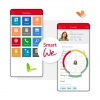 SmartWe is a cloud-based CRM platform that supports you in your daily work with simple contact management, central document storage, team calendars and lead management. The platform can be flexibly expanded and customized to individual customer needs. Digital sovereignty and security of customer data are our top priorities.
Cloud-based customer relationship management / CRM
SmartWe is a cloud-based CRM platform that supports you in your daily work with simple contact management, central document storage, team calendars and lead management. The platform can be flexibly expanded and customized to individual customer needs. Digital sovereignty and security of customer data are our top priorities.
Oktopus Pro
 Oktopus Pro includes a flexible contact management system that can be used to manage all centralised data from customers, suppliers and interested parties. A multitude of helpful functions and overviews support, for example, live search, order processing, order management, product management and, among other things, appointment management and task management. Oktopus Pro can also be used to implement cross-employee planning.
Centralised management of contact data, correspondence, appointments, orders, stock levels
Oktopus Pro includes a flexible contact management system that can be used to manage all centralised data from customers, suppliers and interested parties. A multitude of helpful functions and overviews support, for example, live search, order processing, order management, product management and, among other things, appointment management and task management. Oktopus Pro can also be used to implement cross-employee planning.
audius:Event for Event Management
 audius:Event is the CRM system for all business areas for planning and administering events and shows. The solution is attractive for congress centers, event organizers, leisure parks and cultural institutions. Companies with their own event worlds choose it to complement their own corporate solution.
This allows event managers to coordinate a large number of events and participants. The software is based on the processes of Microsoft Dynamics 365 Sales and offers refined processes for customer and master data management, product deployment, administration and invoicing of events, as well as the planning of resources and personnel.
audius:Event is the CRM system for all business areas for planning and administering events and shows. The solution is attractive for congress centers, event organizers, leisure parks and cultural institutions. Companies with their own event worlds choose it to complement their own corporate solution.
This allows event managers to coordinate a large number of events and participants. The software is based on the processes of Microsoft Dynamics 365 Sales and offers refined processes for customer and master data management, product deployment, administration and invoicing of events, as well as the planning of resources and personnel.
CRM and event management in one solution.
audius:Event is the CRM system for all business areas for planning and administering events and shows. The solution is attractive for congress centers, event organizers, leisure parks and cultural institutions. Companies with their own event worlds choose it to complement their own corporate solution.
This allows event managers to coordinate a large number of events and participants. The software is based on the processes of Microsoft Dynamics 365 Sales and offers refined processes for customer and master data management, product deployment, administration and invoicing of events, as well as the planning of resources and personnel.
deLUXE-ERP
 deLUXE-ERP includes a customer relationship management module that includes functionalities for connecting field staff, a customer manager module and e-mail functions. For example, the software offers a blacklist and duplicate control, direct sorting of e-mails into the customer file, appointment scheduling by office and field staff and, above all, a very high level of data security through user authentication and encrypted data transmission.
ERP | CRM | PIM | Merchandise Management | Business Intelligence - complete solution
deLUXE-ERP includes a customer relationship management module that includes functionalities for connecting field staff, a customer manager module and e-mail functions. For example, the software offers a blacklist and duplicate control, direct sorting of e-mails into the customer file, appointment scheduling by office and field staff and, above all, a very high level of data security through user authentication and encrypted data transmission.
prima
 prima, the solution for project-oriented service providers, includes service, expense and cost recording, project planning, customer relationship management with campaign management, mapping of relationships and organizational structures, factoring, control and automatic monitoring of critical key figures and much more. The software is intuitive to use, multilingual and multi-client capable.
The solution for project-oriented service companies
prima, the solution for project-oriented service providers, includes service, expense and cost recording, project planning, customer relationship management with campaign management, mapping of relationships and organizational structures, factoring, control and automatic monitoring of critical key figures and much more. The software is intuitive to use, multilingual and multi-client capable.