show 1 to 20 (of 21 software programs)
HelpMatics™
 Cost-effective, flexible and ready to go! HelpMatics™ - ITIL-certified service management from the cloud. HelpMatics includes all important functionalities including ServiceDesk out-of-the-box. The system consistently supports all central processes and the entire workflow in IT service management. Compliant with the ITIL process model. The software offers knowledge management with an integrated knowledge base, resource/configuration management with storage of asset or product data, user management and much more.
Efficient IT service management system - either on premise or online
Cost-effective, flexible and ready to go! HelpMatics™ - ITIL-certified service management from the cloud. HelpMatics includes all important functionalities including ServiceDesk out-of-the-box. The system consistently supports all central processes and the entire workflow in IT service management. Compliant with the ITIL process model. The software offers knowledge management with an integrated knowledge base, resource/configuration management with storage of asset or product data, user management and much more.
Track-It!
Helpdesk, asset management, software distribution and patch management
The helpdesk is the central hub of your IT operations. The helpdesk ticketing features in Track-It! offer the perfect combination of functionality and ease of use. Prioritize open tickets, track time spent on IT tasks and monitor the most important problems and incidents. With Track-It! help desk ticketing, you can increase end-user satisfaction and reduce costs.
HEINZELMANN Service.Desk
 Ticket System, Helpdesk, Servicedesk, Full-Service-Management, Incident- und Problem-Management. Neben dem Ticketersteller erfasst das System auch den Zeitpunkt der Erstellung, Personalien, Prioritätsstufe/Dringlichkeit, Problembeschreibung und eine Übersicht bisheriger Bearbeiter. Hohe Prozessindividualisierung, ein hoher Individualisierungsgrad und eine strukturierte und intuitive Benutzeroberfläche sind Kernkompetenzen. Service Level Agreements können abgebildet werden. Eingangskanäle sind: Self-Service-Portal, E-Mail Schnittstelle oder Call In Support. Self-Hosting oder SaaS sind möglich. Der Funktionsumfang ist bei Veränderungen anpassbar. Auch als App.
Helpdesk-Software / IT-Service-Management-Software
Ticket System, Helpdesk, Servicedesk, Full-Service-Management, Incident- und Problem-Management. Neben dem Ticketersteller erfasst das System auch den Zeitpunkt der Erstellung, Personalien, Prioritätsstufe/Dringlichkeit, Problembeschreibung und eine Übersicht bisheriger Bearbeiter. Hohe Prozessindividualisierung, ein hoher Individualisierungsgrad und eine strukturierte und intuitive Benutzeroberfläche sind Kernkompetenzen. Service Level Agreements können abgebildet werden. Eingangskanäle sind: Self-Service-Portal, E-Mail Schnittstelle oder Call In Support. Self-Hosting oder SaaS sind möglich. Der Funktionsumfang ist bei Veränderungen anpassbar. Auch als App.
TimO® – The modular Project-ERP Suite for projects, time tracking, and billing
Digitize your processes – flexible, secure, and 100% made & hosted in Germany.
TimO® is a proven Project ERP Business Suite for time tracking, project time tracking, project management, billing, resource planning, ticket management, leave management, and team calendars, developed and hosted in Germany. Built on a modular architecture, TimO offers maximum flexibility for businesses: each module can be used as a standalone solution or combined into a fully integrated ERP system. TimO digitizes and connects all core business processes – from time tracking and project planning to billing ...
EcholoN Service Management Suite
 General understanding of tasks in the helpdesk. The helpdesk is a service provider in its own company and demonstrates its importance through quick response and resolution. Fast acceptance of support requests, adaptability to the specific, needs of your company, establishment of a multi-level support, reporting and trend analysis, extensions and modules: connecting third-party systems, such as client management solutions, monitoring, network management (Nagios or similar) and remote maintenance, knowledgebase and increase of the first solution rate...
Helpdesk system with knowledge database
General understanding of tasks in the helpdesk. The helpdesk is a service provider in its own company and demonstrates its importance through quick response and resolution. Fast acceptance of support requests, adaptability to the specific, needs of your company, establishment of a multi-level support, reporting and trend analysis, extensions and modules: connecting third-party systems, such as client management solutions, monitoring, network management (Nagios or similar) and remote maintenance, knowledgebase and increase of the first solution rate...
ITSM Process Library
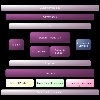 The ITSM Process Library offers a process- and practice-oriented solution with which all standards important for your company with all their specifications can be adopted in your own IT landscape. The included standard process model is based on the specifications of ISO 20000 and ITIL®. Using the ITSM process library, these standards can be adapted exactly to your company and integrated into your internal company process model. Probably the greatest advantage of this is the simple way in which it can be implemented, as well as the enormous amount of time it saves, especially in the initial phase of an ITSM project ...
Standard process model of ITSM according to ITIL 4 and ISO 20000 in BPMN 2.0
The ITSM Process Library offers a process- and practice-oriented solution with which all standards important for your company with all their specifications can be adopted in your own IT landscape. The included standard process model is based on the specifications of ISO 20000 and ITIL®. Using the ITSM process library, these standards can be adapted exactly to your company and integrated into your internal company process model. Probably the greatest advantage of this is the simple way in which it can be implemented, as well as the enormous amount of time it saves, especially in the initial phase of an ITSM project ...
BvLArchivio DMS
 BvLArchivio not only offers you a powerful archiving solution, but also first-class support. Our free customer service is always available to answer your questions and help you get started.
Document Management System
BvLArchivio not only offers you a powerful archiving solution, but also first-class support. Our free customer service is always available to answer your questions and help you get started.
PisaSales CRM
 The PisaSales CRM covers all requirements from the areas of marketing, sales and service. Designed for use in medium-sized and large companies, our CRM solution is one of the most powerful systems on the European market today.
We offer you a highly flexible CRM standard solution that can be quickly deployed and individually adapted.
100% Made in Germany - in use worldwide!...
The PisaSales CRM covers all requirements from the areas of marketing, sales and service. Designed for use in medium-sized and large companies, our CRM solution is one of the most powerful systems on the European market today.
We offer you a highly flexible CRM standard solution that can be quickly deployed and individually adapted.
100% Made in Germany - in use worldwide!...
PisaSales CRM
The PisaSales CRM covers all requirements from the areas of marketing, sales and service. Designed for use in medium-sized and large companies, our CRM solution is one of the most powerful systems on the European market today.
We offer you a highly flexible CRM standard solution that can be quickly deployed and individually adapted.
100% Made in Germany - in use worldwide!...
SERVICE ASSISTANT (MR.KNOW)
 SERVICE ASSISTANT (MR. KNOW) is the ideal solution for your company. Customer service in particular benefits from this software, as all inquiries, complaints, claims and customer data are automatically recorded, quickly processed and reliably documented. This always results in higher customer satisfaction and optimized QM and risk management.
From assistant to digital worker
SERVICE ASSISTANT (MR. KNOW) is the ideal solution for your company. Customer service in particular benefits from this software, as all inquiries, complaints, claims and customer data are automatically recorded, quickly processed and reliably documented. This always results in higher customer satisfaction and optimized QM and risk management.
FLINTEC IT - Automatic telephone reception with telephone exchange
 The Flintec IT software for telephone services includes automatic telephone reception and call transfer. This virtual attendant console is based on the technology of the Flintec voice dialog system. If it is not possible to connect with a target person, a voice message can be stored in the voice mail system.
Automatic voice-assisted telephone reception with call forwarding
The Flintec IT software for telephone services includes automatic telephone reception and call transfer. This virtual attendant console is based on the technology of the Flintec voice dialog system. If it is not possible to connect with a target person, a voice message can be stored in the voice mail system.
USU IT & Enterprise Service Management
 The USU IT & Enterprise Service Management product suite has a modular design and can map, control and optimise all of a company's service processes. It can be used in the IT area of large and medium-sized companies as well as by IT service providers or, for example, in the HR area or facility management.
Product suite with field-tested modules for IT and enterprise service management
The USU IT & Enterprise Service Management product suite has a modular design and can map, control and optimise all of a company's service processes. It can be used in the IT area of large and medium-sized companies as well as by IT service providers or, for example, in the HR area or facility management.
Woodpecker Issue Tracker
 Woodpecker IT is a web-based request, issue or bug tracking tool. You can use it for performing request, version or bug management. Its main function is recording and tracking issues, within a freely defined workflow. Woodpecker IT helps you in increasing your efficiency; lower your costs; integrate your customers and improve the quality of your products. Woodpecker IT offers the functionality of a bug tracking system in combination with high flexibility that allows individual adjustments. Among other things ...
webbased Request-, Issue- and Bug-Tracking-Tool
Woodpecker IT is a web-based request, issue or bug tracking tool. You can use it for performing request, version or bug management. Its main function is recording and tracking issues, within a freely defined workflow. Woodpecker IT helps you in increasing your efficiency; lower your costs; integrate your customers and improve the quality of your products. Woodpecker IT offers the functionality of a bug tracking system in combination with high flexibility that allows individual adjustments. Among other things ...
FLINTEC IT - Voice dialog system and voice portal
 The Flintec voice dialog system and voice portal supports the automation of customer service processes and reduces the workload of reception staff. The function of the voice dialog system is the automatic telephone reception for incoming calls and pre-qualification of the request. Areas of application include contact centers, hotlines or chatlines, cinema ticketing and much more.
Centralization and automation of customer service processes by telephone
The Flintec voice dialog system and voice portal supports the automation of customer service processes and reduces the workload of reception staff. The function of the voice dialog system is the automatic telephone reception for incoming calls and pre-qualification of the request. Areas of application include contact centers, hotlines or chatlines, cinema ticketing and much more.
HelloID
 Authorization management on files and shares is one of the most time-consuming and particularly error-prone manual administration tasks of the helpdesk. HelloID is the cloud-based IAM software solution that relieves your helpdesk. With this powerful self-service workflow tool, you implement a ticket killer through an easy-to-use Employee Self Service Portal while ensuring consistent data management. Learn now how HelloID can support your helpdesk!...
Ticket killer: User Self Service & Workflow
Authorization management on files and shares is one of the most time-consuming and particularly error-prone manual administration tasks of the helpdesk. HelloID is the cloud-based IAM software solution that relieves your helpdesk. With this powerful self-service workflow tool, you implement a ticket killer through an easy-to-use Employee Self Service Portal while ensuring consistent data management. Learn now how HelloID can support your helpdesk!...
Service Portal ERP
 Increase the efficiency of your helpdesk with our ticket management system! With fast ticket acceptance, an integrated knowledge base and flexible customization options, our software offers everything you need for smooth support. Take your helpdesk to the next level!...
Organization and management of service requests
Increase the efficiency of your helpdesk with our ticket management system! With fast ticket acceptance, an integrated knowledge base and flexible customization options, our software offers everything you need for smooth support. Take your helpdesk to the next level!...
Claritysoft CRM
 Deliver faster customer support with Claritysoft CRM service automation. Centralize customer history, manage help desk tickets, track issues, and coordinate internal follow-up. Reduce manual work and improve resolution quality by keeping service and CRM connected.
Simple, customizable CRM for sales, service, and projects.
Deliver faster customer support with Claritysoft CRM service automation. Centralize customer history, manage help desk tickets, track issues, and coordinate internal follow-up. Reduce manual work and improve resolution quality by keeping service and CRM connected.
Salesmate
 Deliver exceptional support with Salesmate’s helpdesk capabilities. An omnichannel inbox unifies email, chat, SMS and phone conversations so agents always have context. AI‑powered assistance and automated ticketing ensure routine queries are resolved instantly and SLA commitments are met. Real‑time analytics track customer satisfaction and help you continually improve service.
AI‑powered CRM that unifies sales, marketing & support in one platform.
Deliver exceptional support with Salesmate’s helpdesk capabilities. An omnichannel inbox unifies email, chat, SMS and phone conversations so agents always have context. AI‑powered assistance and automated ticketing ensure routine queries are resolved instantly and SLA commitments are met. Real‑time analytics track customer satisfaction and help you continually improve service.
EngageBay
 EngageBay is the integrated all-in-one solution for CRM, marketing automation and customer service. Start-ups and SMEs generate leads via landing pages and web forms, nurture them with automated campaigns and close deals with the sales CRM. Thanks to the integrated helpdesk, live chat, scheduling and AI-powered lead scoring, you always have a 360° view of every contact and can increase customer loyalty in the long term.
EngageBay combines CRM, marketing and support in one intuitive cloud platform.
EngageBay is the integrated all-in-one solution for CRM, marketing automation and customer service. Start-ups and SMEs generate leads via landing pages and web forms, nurture them with automated campaigns and close deals with the sales CRM. Thanks to the integrated helpdesk, live chat, scheduling and AI-powered lead scoring, you always have a 360° view of every contact and can increase customer loyalty in the long term.
Accelo CRM
 Accelo includes helpdesk style ticket management for client support. Create and route tickets, track ticket history and priorities, and connect support work to the right client, project, and billing context so service delivery stays transparent and profitable.
Unify sales, projects, tickets, and billing in one platform.
Accelo includes helpdesk style ticket management for client support. Create and route tickets, track ticket history and priorities, and connect support work to the right client, project, and billing context so service delivery stays transparent and profitable.
Sellsy
 Deliver exceptional support with Sellsy’s customer area and collaborative ticketing. Provide clients with a portal to view documents and submit requests, and manage email support efficiently to maintain high satisfaction.
All‑in‑one CRM, invoicing and cash management software for growing teams.
Deliver exceptional support with Sellsy’s customer area and collaborative ticketing. Provide clients with a portal to view documents and submit requests, and manage email support efficiently to maintain high satisfaction.