show 1 to 13 (of 13 software programs)
RBarc+
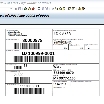 RBarc+ is a barcode add-on for SAP systems that enables device-independent barcode output on documents (Sapscript, Smartforms, Interactive Forms): printing, faxing, archiving, converting to PDF. No hardware extensions for printers are required. A clear manual together with test files allow quick installation and use of the program. A product sheet and a free trial version are available for you on our homepage.
Barcode generator for SAP systems (R/3, MySAP ERP, Netweaver) - for every industry
RBarc+ is a barcode add-on for SAP systems that enables device-independent barcode output on documents (Sapscript, Smartforms, Interactive Forms): printing, faxing, archiving, converting to PDF. No hardware extensions for printers are required. A clear manual together with test files allow quick installation and use of the program. A product sheet and a free trial version are available for you on our homepage.
Orgasoft.NET Anywhere
 Orgasoft.NET is one of the most modern inventory manamagent systems. The software combines innovative technology with decades of practical experience. More than 2000 customers in Germany and Europe are already benefiting from the powerful solution. Orgasoft.NET includes numerous features for retail and gastronomy, with particular strengths in networking even different branches.
Online inventory manamagent: web app for working with Orgasoft.NET in the browser
Orgasoft.NET is one of the most modern inventory manamagent systems. The software combines innovative technology with decades of practical experience. More than 2000 customers in Germany and Europe are already benefiting from the powerful solution. Orgasoft.NET includes numerous features for retail and gastronomy, with particular strengths in networking even different branches.
EPG - LFS
 LFS is an international leader in the field of software systems for warehouse logistics. It includes options for active management and administration of all warehouse processes and control of the entire material flow. It runs on all common platforms as well as operating systems for mobile applications. Communication interfaces to all commercially available ERP, WWS and PPS systems are a matter of course, as are services for use in SOA environments.
Warehouse management system, SAP-certified, radio data transmission, pick-by-voice
LFS is an international leader in the field of software systems for warehouse logistics. It includes options for active management and administration of all warehouse processes and control of the entire material flow. It runs on all common platforms as well as operating systems for mobile applications. Communication interfaces to all commercially available ERP, WWS and PPS systems are a matter of course, as are services for use in SOA environments.
CODESOFT
 CODESOFT is a barcode label design software that covers every labeling need in the enterprisem. CODESOFT supports complex integrations with local and cloud data sources, including data sources, including Google Drive, One Drive and Odata. The software offers support for RFID egg chain creation in addition to more than 100 barcode symbologies and includes native printer drivers.
Software for professional label printing
CODESOFT is a barcode label design software that covers every labeling need in the enterprisem. CODESOFT supports complex integrations with local and cloud data sources, including data sources, including Google Drive, One Drive and Odata. The software offers support for RFID egg chain creation in addition to more than 100 barcode symbologies and includes native printer drivers.
Asset.Desk
 Management and documentation of all hardware and software assets over their entire life cycle. Linked to contracts, costs, allocation to locations, departments and cost centres, it is the basis for IT operations, planning, controlling and purchasing.
Enables the inventory of virtual environments such as vCenter and Hyper-V and allows the hardware and software of the data centre to be managed. Since 2019, Asset.Desk also provides an overview of cloud usage and costs. One of the few SAM tools certified by KPMG since 2015.
Allows mobile support of the processes of acquisition, goods receipt, inventory, IT operations and disposal.
Interfaces based on REST services allow integration into any corporate environment, e.g. with ERP and helpdesk or similar systems.
Asset.Desk makes inventory possible with barcode or RFID.
Management and documentation of all hardware and software assets over their entire life cycle. Linked to contracts, costs, allocation to locations, departments and cost centres, it is the basis for IT operations, planning, controlling and purchasing.
Enables the inventory of virtual environments such as vCenter and Hyper-V and allows the hardware and software of the data centre to be managed. Since 2019, Asset.Desk also provides an overview of cloud usage and costs. One of the few SAM tools certified by KPMG since 2015.
Allows mobile support of the processes of acquisition, goods receipt, inventory, IT operations and disposal.
Interfaces based on REST services allow integration into any corporate environment, e.g. with ERP and helpdesk or similar systems.
Asset.Desk makes inventory possible with barcode or RFID.
Inventory, asset and lifecycle management, licence and contract management and much more.
Management and documentation of all hardware and software assets over their entire life cycle. Linked to contracts, costs, allocation to locations, departments and cost centres, it is the basis for IT operations, planning, controlling and purchasing.
Enables the inventory of virtual environments such as vCenter and Hyper-V and allows the hardware and software of the data centre to be managed. Since 2019, Asset.Desk also provides an overview of cloud usage and costs. One of the few SAM tools certified by KPMG since 2015.
Allows mobile support of the processes of acquisition, goods receipt, inventory, IT operations and disposal.
Interfaces based on REST services allow integration into any corporate environment, e.g. with ERP and helpdesk or similar systems.
Asset.Desk makes inventory possible with barcode or RFID.
Warehouse Solutions (warehouse management system, BetterStore, BetterPick)
 Support for all relevant tasks of professional warehouse management, in particular goods storage, stock transfer, inventory management, picking and distribution control on the basis of machine-readable article and storage bin labels. The following modules are available: BetterStore, BetterPick, BetterTrack, BetterTrace, BetterID, BetterPrint, BetterPack, BetterConnect, BetterBase, BetterMonitor.
Goods storage, stock transfer, order picking and distribution control
Support for all relevant tasks of professional warehouse management, in particular goods storage, stock transfer, inventory management, picking and distribution control on the basis of machine-readable article and storage bin labels. The following modules are available: BetterStore, BetterPick, BetterTrack, BetterTrace, BetterID, BetterPrint, BetterPack, BetterConnect, BetterBase, BetterMonitor.
Stripes
 Mobile data collection and barcodes are at the heart of Stripes. MDE devices, handheld scanners, 1D and 2D barcodes, cloud transmission, and validation rules enable fast, reliable, and traceable inventory counts in stores, warehouses, and logistics areas.
Cloud-based inventory software for secure inventory management.
Mobile data collection and barcodes are at the heart of Stripes. MDE devices, handheld scanners, 1D and 2D barcodes, cloud transmission, and validation rules enable fast, reliable, and traceable inventory counts in stores, warehouses, and logistics areas.
FLUDIS
 FLUDIS is used as the most functional and comprehensive software system for professional fluid management in numerous industries by small as well as medium-sized to large companies. Seamless job planning, reliable documentation of your measured values, clear management of material inventories and the creation of meaningful reports for process optimization and billing are just some of the functions of this professional software. In addition, the appropriate devices are provided, for example, for mobile data acquisition directly at the point of use or for barcode label printing.
The software for professional fluid management!
FLUDIS is used as the most functional and comprehensive software system for professional fluid management in numerous industries by small as well as medium-sized to large companies. Seamless job planning, reliable documentation of your measured values, clear management of material inventories and the creation of meaningful reports for process optimization and billing are just some of the functions of this professional software. In addition, the appropriate devices are provided, for example, for mobile data acquisition directly at the point of use or for barcode label printing.
brixxbox
 Nothing works for you without MDC or PDC? Thanks to low-code and integrated responsive design, our solution offers comprehensive support for MDC/PDC workflows. It is possible to create individual user interfaces for different end devices (tablet, handheld devices, etc.).
Makes application development faster, more individual and cheaper.
Nothing works for you without MDC or PDC? Thanks to low-code and integrated responsive design, our solution offers comprehensive support for MDC/PDC workflows. It is possible to create individual user interfaces for different end devices (tablet, handheld devices, etc.).
Parsec.NET - complete solution for asset inventory
 Asset inventory - inventory software - inventory management with barcode and RFID - inventory execution. Interfaces to SAP, Diamant R/3, UNIT4, DATEV, Wilken, Entire, HIS, ProAlpha, Infor, Schleupen, MACH, NAVISION, Oracle, Sage, Orbis and many more. Parsec.NET ensures a resource-saving and comfortable administration of your systems in compliance with legal regulations.
Assets inventory system with RFID and barcode
Asset inventory - inventory software - inventory management with barcode and RFID - inventory execution. Interfaces to SAP, Diamant R/3, UNIT4, DATEV, Wilken, Entire, HIS, ProAlpha, Infor, Schleupen, MACH, NAVISION, Oracle, Sage, Orbis and many more. Parsec.NET ensures a resource-saving and comfortable administration of your systems in compliance with legal regulations.
bertaplus ERP
 bertaplus can quickly adapt to individual customer requirements due to a highly flexible software architecture. In the shortest possible time, you receive a business software solution that optimizes process flows, reduces costs and increases system performance, information flow and service quality. With the mobile solution, you can optimize your staff deployment and accelerate workflows.
bertaplus - a Business Software Solution for Optimizing Process Flows
bertaplus can quickly adapt to individual customer requirements due to a highly flexible software architecture. In the shortest possible time, you receive a business software solution that optimizes process flows, reduces costs and increases system performance, information flow and service quality. With the mobile solution, you can optimize your staff deployment and accelerate workflows.
SPEEDLOGIX
 The SPEEDLOGIX warehouse management software is a tried-and-tested and successful warehouse management system. The software offers RFID and permanent localization and supports modern picking methods (MDE's, Pick-by-Light, Pick-by-Voice etc.). Various industry solutions are available for retail, the chemical industry with hazardous goods management, production with the handling of semi-finished products, freight forwarders and logistics service providers, etc.
Flexible warehouse management as a complete solution for all industries
The SPEEDLOGIX warehouse management software is a tried-and-tested and successful warehouse management system. The software offers RFID and permanent localization and supports modern picking methods (MDE's, Pick-by-Light, Pick-by-Voice etc.). Various industry solutions are available for retail, the chemical industry with hazardous goods management, production with the handling of semi-finished products, freight forwarders and logistics service providers, etc.
Gismo QicLABEL VDA
Gismo QicLABEL VDA dient zur Erstellung von Versandetiketten nach VDA, AIAG u.v.m.
Barcode printing Gismo QicLABEL according to recommendation VDA 4902, VDA 4994, AIAG US standard and many more, available as lite version or with integrated production logistics, layout designer. Operation via input in form masks or fully automatically in the background of merchandise management systems, single or serial printing, output on almost all commercially available Windows printers, optionally also for label printing from continuous rolls, multilingual, free demo versions ...
show 1 to 13 (of 13 software programs)
1