Ö+ for public service providers
Ö+ is a specialized project management and organization software for public service providers, authorities, municipalities and public institutions. The software supports teams in organizing projects, tasks, resources, documents and communication processes centrally, transparently and comprehensibly.
In contrast to traditional project management solutions, Ö+ was developed specifically for the requirements of public organizations. The software combines project management, document management, knowledge management, resource planning, deadline management and approval processes within a central platform.
This allows complex administrative and project processes to be organized more efficiently and information to be made available throughout the organization.
Advantages and highlights of Ö+ for public service providers
Functions
- Project software for team collaboration
- Transparency and overview of projects, tasks & resourcesProjects
- Each process can be recognized individually
- Simplified communication throughout the entire process
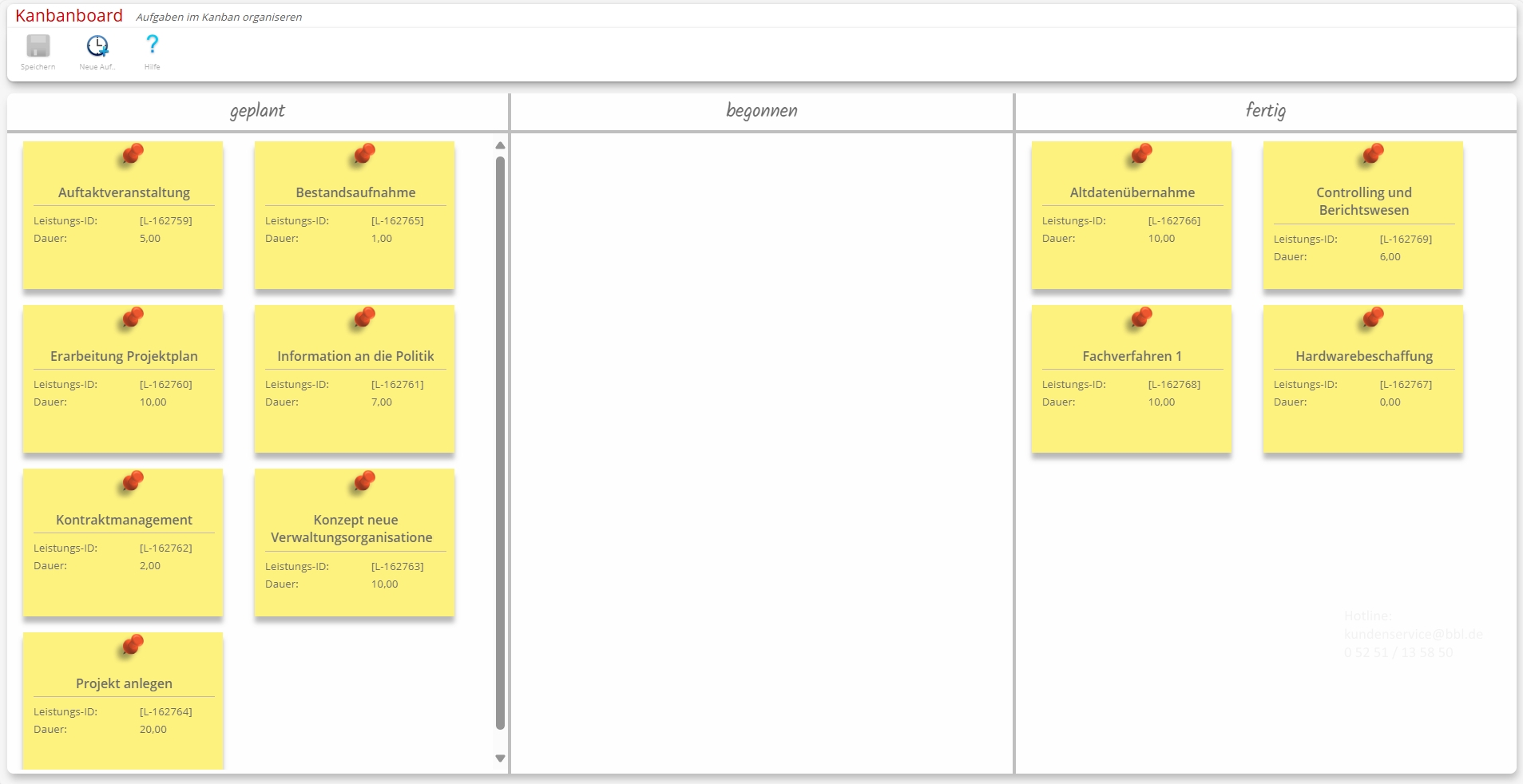
- Distribution of tasks within the team
- everyone contributes to the whole
- Templates for specialist procedures for reuse
- Specify responsibilities in the specialist procedure to define responsibilities
- Automatically assign documents, e.g. emails, documents, etc., to the specialist procedures
- Find all documents quickly
- Access regulated by authorization
- Communication / collaboration
- Roles and rights for targeted information (transparency & protection of information)
- Documentation and support
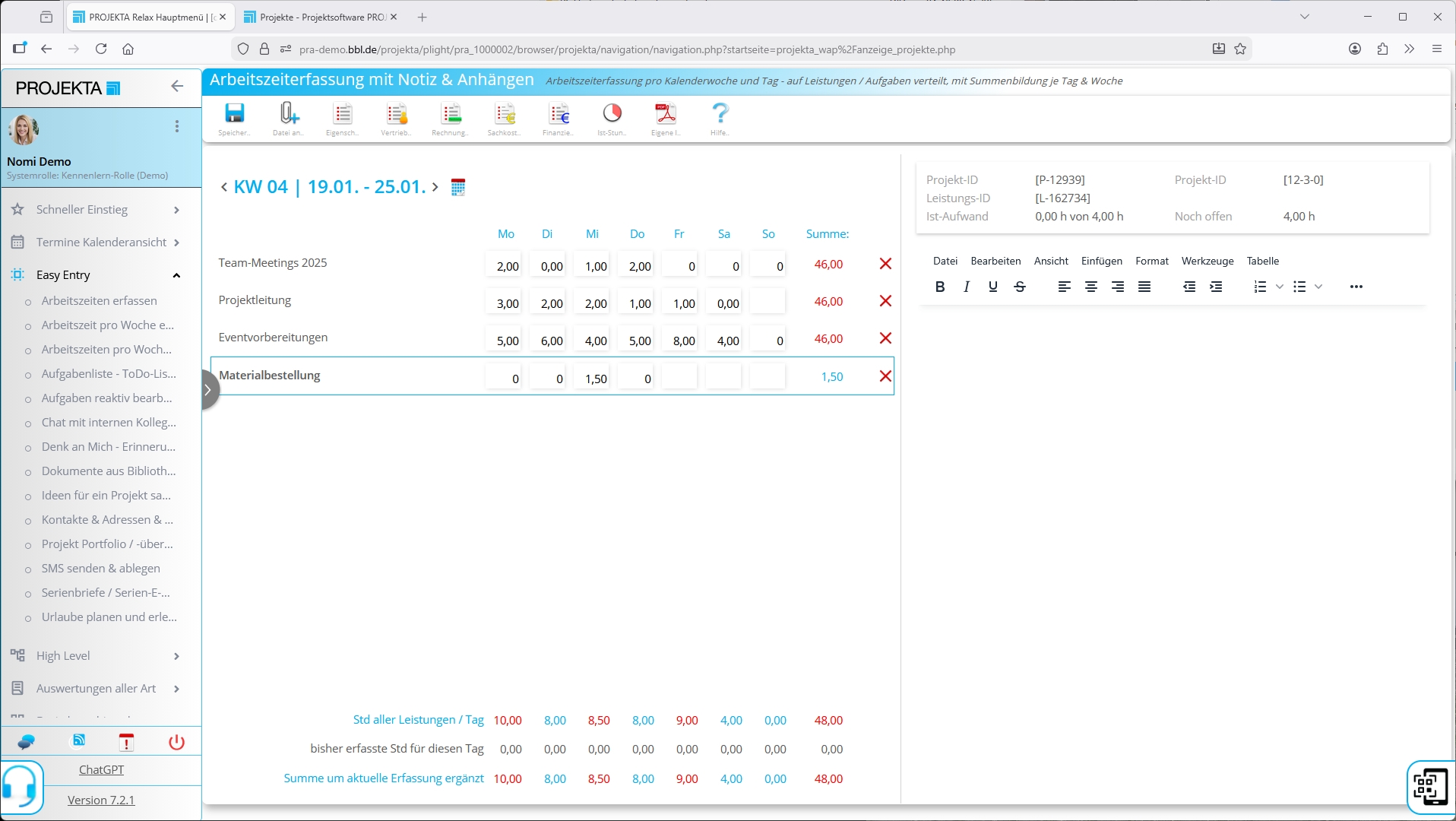
- Easy entry & high-level functions for processing and project management
- Mobile project work
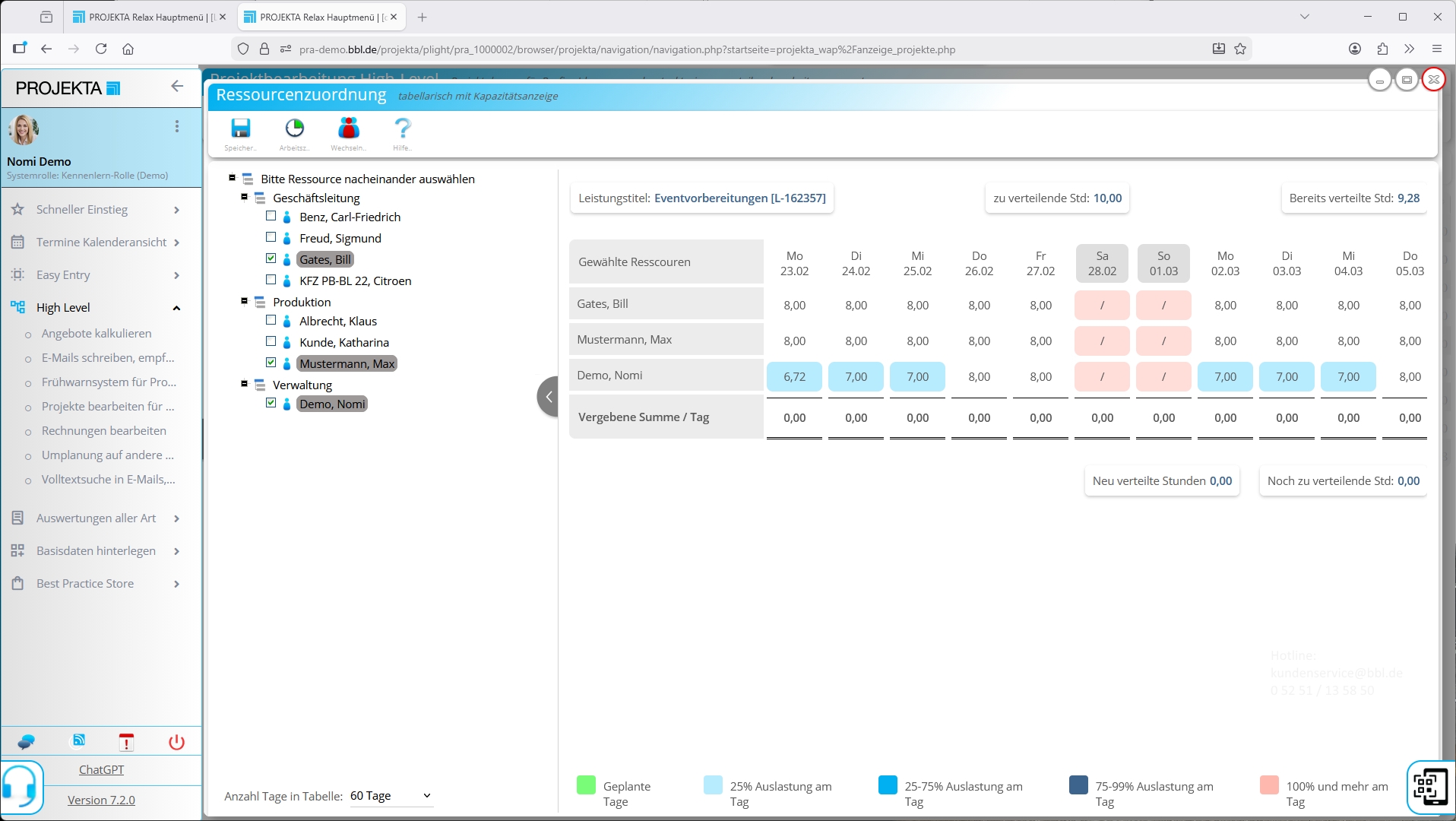
- Resource management
- User administration
The target groups in public administration for project software such as Ö+ can be diverse. Here are some possible target groups that could be addressed depending on the function and structure of the administration:
1. management level
- Heads of department: Responsible for managing and monitoring projects in various administrative areas.
- Project managers: Responsible for the operational implementation and coordination of projects.
- Heads of authority: Interested in overarching management, reporting and increasing efficiency.
2. specialist departments
- Employees in planning departments: Especially in areas such as urban development, construction planning, transportation planning or environmental management.
- IT departments: For the integration and technical support of the software.
- Finance and controlling departments: For budget planning and control of projects.
3. administrative organizations
- Municipal administrations: Cities, municipalities and districts that manage projects at local level (e.g. infrastructure, digitization).
- State authorities: Line ministries or state offices that perform coordinating and overarching tasks.
- Federal authorities: Ministries or federal offices with comprehensive projects (e.g. legislative projects, major construction projects).
4. political decision-makers
- City councils, municipal councils or district councils: For decisions based on project progress and resources.
- Parliamentary committees: In the context of larger, often publicly relevant projects.
5. operational employees
- Clerks: For day-to-day project work and documentation.
- Coordinators: For collaboration between departments or external partners.
6. external partners and service providers
- Consulting firms: Who are involved in projects as external actors.
- Citizen participation centers: For projects in which the public is involved.
7. educational and research institutions
- Universities or other educational institutions that cooperate with the administration, for example in pilot projects or studies.
The target groups can vary depending on the specialization of the project software (e.g. budget management, workflow optimization or citizen participation)